Macron looks to China as France seeks minerals for its green future Europe 00:14, 05-Dec-2025 Sarah Coates in Paris 02:30 As French President Emmanuel Macron continues his state visit to China, Paris looks to deepen cooperation with the country in green and high-tech industries. Both countries see strategic value in working together, from electric vehicles to hydrogen and artificial intelligence, at a time when Europe is racing to secure the critical minerals it needs for its energy transition. France's green ambitions depend heavily on resources that are not readily available at home. From lithium to cobalt, the metals that power batteries for digital technology have become central to the country's relationship with Beijing. As Professor Michel Fayad of the French Institute of Petroleum and New Energies tells CGTN, "At this moment, China is in the selling position, while France is in the buying position." Official welcoming ceremony for the French President Emmanuel Macron and his wife, Brigitte Macron in Great Hall of the People, Beijing. /Jeanne Accorsini/SIPA/Pool Official welcoming ceremony for the French President Emmanuel Macron and his wife, Brigitte Macron in Great Hall of the People, Beijing. /Jeanne Accorsini/SIPA/Pool That imbalance has made climate cooperation an area where Europe and China share common ground. Sacha Courtial, an EU-China Associate Researcher at the Jacques Delors Institute, says "Climate change is a very important problem that we share, and we have seen this in the last EU-China dialogue. It's one of the issues where the EU and China have a common willingness to advocate for." China's dominance in critical raw materials stretches far beyond electric vehicles and solar panels. It controls large parts of the global supply chain for refining the metals needed to build them. Fayad points out that "Everyone in the world is dependent on China for most of the metals, the strategic metals, which are required for the transition of energy and also for the digital transformation, because metals are needed for both things." French firms like Orano, which is active in nuclear and mining, are seeking long-term predictability, and there's hope in Paris that Macron's visit can pave the way for future opportunities. Investment France wants minerals and tech, but also needs to encourage investment to support industry at home. According to Fayad, long-term contracts are likely to play a key role in talks. "Emmanuel Macron can also sign for long-term supply of these metals, because it's also important for China to sign long-term contracts in order to get funding to continue to maintain its position, and continue to invest worldwide in these metals." As the pace of the energy transition accelerates, both countries face increasing pressure to deepen cooperation, with progress from this visit likely to shape Europe's technological landscape for years to come. https://newseu.cgtn.com/news/2025-12-05/Macron-looks-to-China-as-France-seeks-minerals-for-its-green-future-1IQ0LEMD7DG/p.html
As French President Emmanuel Macron continues his state visit to China, Paris looks to deepen cooperation with the country in green and high-tech industries.
Both countries see strategic value in working together, from electric vehicles to hydrogen and artificial intelligence, at a time when Europe is racing to secure the critical minerals it needs for its energy transition.
France's green ambitions depend heavily on resources that are not readily available at home.
From lithium to cobalt, the metals that power batteries for digital technology have become central to the country's relationship with Beijing.
As Professor Michel Fayad of the French Institute of Petroleum and New Energies tells CGTN, "At this moment, China is in the selling position, while France is in the buying position."
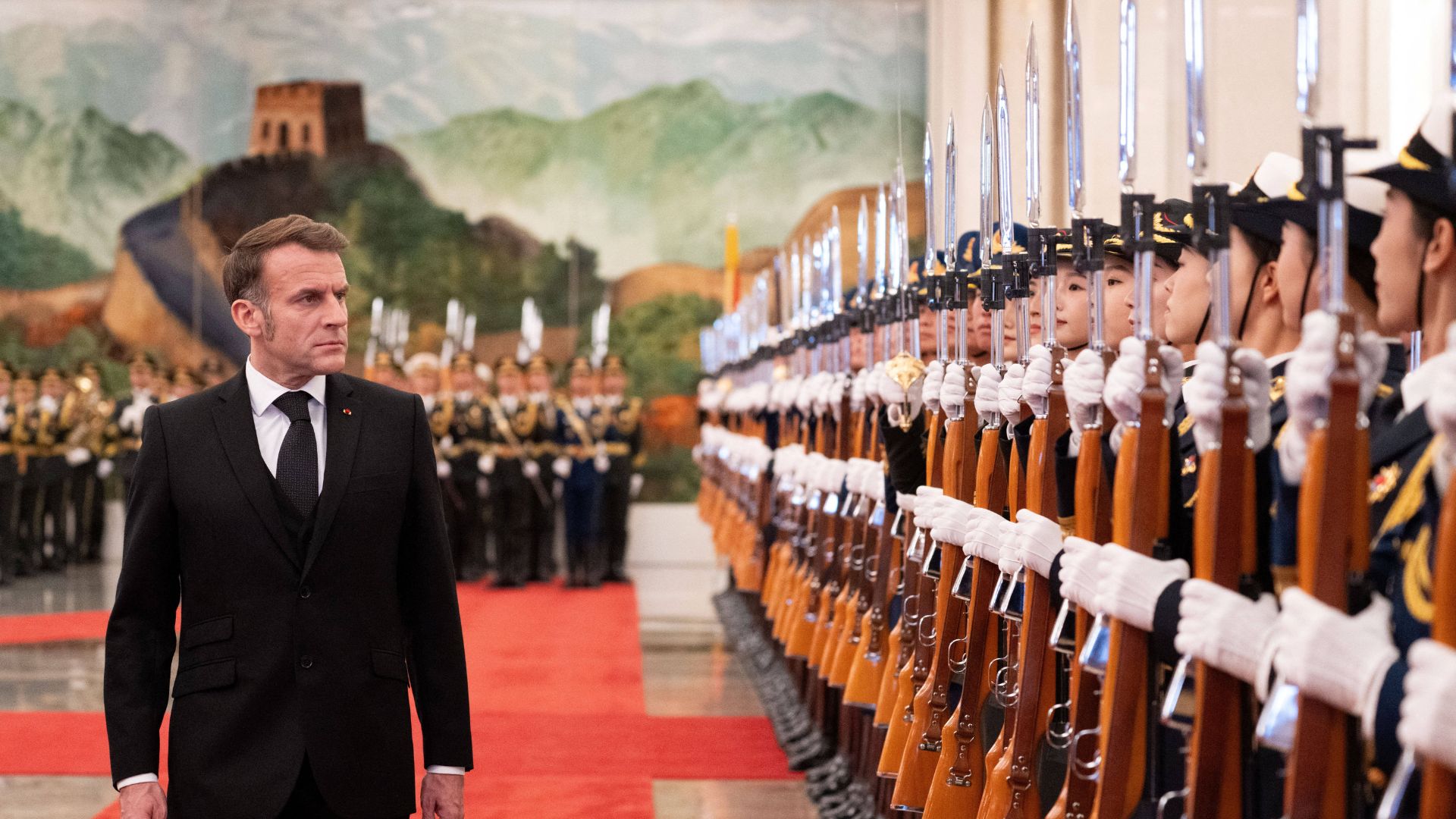
Official welcoming ceremony for the French President Emmanuel Macron and his wife, Brigitte Macron in Great Hall of the People, Beijing. /Jeanne Accorsini/SIPA/Pool
That imbalance has made climate cooperation an area where Europe and China share common ground.
Sacha Courtial, an EU-China Associate Researcher at the Jacques Delors Institute, says "Climate change is a very important problem that we share, and we have seen this in the last EU-China dialogue. It's one of the issues where the EU and China have a common willingness to advocate for."
China's dominance in critical raw materials stretches far beyond electric vehicles and solar panels. It controls large parts of the global supply chain for refining the metals needed to build them.
Fayad points out that "Everyone in the world is dependent on China for most of the metals, the strategic metals, which are required for the transition of energy and also for the digital transformation, because metals are needed for both things."
French firms like Orano, which is active in nuclear and mining, are seeking long-term predictability, and there's hope in Paris that Macron's visit can pave the way for future opportunities.
Investment
France wants minerals and tech, but also needs to encourage investment to support industry at home.
According to Fayad, long-term contracts are likely to play a key role in talks.
"Emmanuel Macron can also sign for long-term supply of these metals, because it's also important for China to sign long-term contracts in order to get funding to continue to maintain its position, and continue to invest worldwide in these metals."
As the pace of the energy transition accelerates, both countries face increasing pressure to deepen cooperation, with progress from this visit likely to shape Europe's technological landscape for years to come.